
Key Takeaways
- The first week focuses on settling logistics while your body adjusts to dry air and consistent sunshine
- Summer heat shifts your schedule earlier and later, but fall through spring weather rewards outdoor living
- Routine builds through repeated small decisions like grocery runs, trail walks, and weekend errands
- Connection happens gradually through shared spaces, events, and low-pressure interactions rather than forced networking
- Month three marks the point where Southern Arizona starts feeling familiar instead of foreign
- If you understand the first 90 days, you’ll make better housing and community choices before you move.
You’ve accepted the offer or made the decision. The questions keeping you up at night aren’t about logistics anymore. They’re about whether you’ll adjust to the heat. Whether you’ll find your people. Whether this place will ever feel permanent.
The first 90 days follow a rhythm that thousands of relocators have walked before you. Not seamless, but predictable. Understanding what each phase feels like makes the transition manageable.
What Does the First Week Feel Like After Moving to Southern Arizona?
The first week after moving to Southern Arizona revolves around basic setup tasks while your body acclimates to the dry desert climate and relentless sunshine.
You’ll notice the dryness early on. You drink a little more water than you used to. You find a lip balm you like and keep it in your bag. Within a few weeks, most people stop thinking about it altogether. Your body adjusts, and the dry air just becomes part of the backdrop of your new normal here.
The sun hits differently here too. Even in winter, the UV intensity surprises people from cloudier climates. You’ll start keeping sunglasses in your car, on your kitchen counter, next to your front door. Sunscreen stops being a beach item and becomes a daily essential.
Most of your first week goes to the practical work of moving in. You’re finding the breaker box, figuring out trash pickup days, locating the nearest grocery store. You’re setting up utilities and registering your vehicle. Arizona doesn’t observe daylight saving time, which means your phone clock might confuse you for a few days depending on when you arrive.
The Tucson metropolitan area spans over 1 million residents, but it doesn’t feel dense the way coastal cities do. Traffic exists but rarely paralyzes your commute. You can usually get where you need to go without the kind of planning that Phoenix or Los Angeles demand.
How Do You Adjust to the Arizona Climate?
Adjusting to the Arizona climate happens in two distinct phases: learning to respect the summer heat and then discovering why people tolerate it for the rest of the year.
Summer in Southern Arizona isn’t background weather. It’s a presence that shapes when you leave the house, how you dress, where you park. Highs often run from the low 100s into the teens from June through early September.
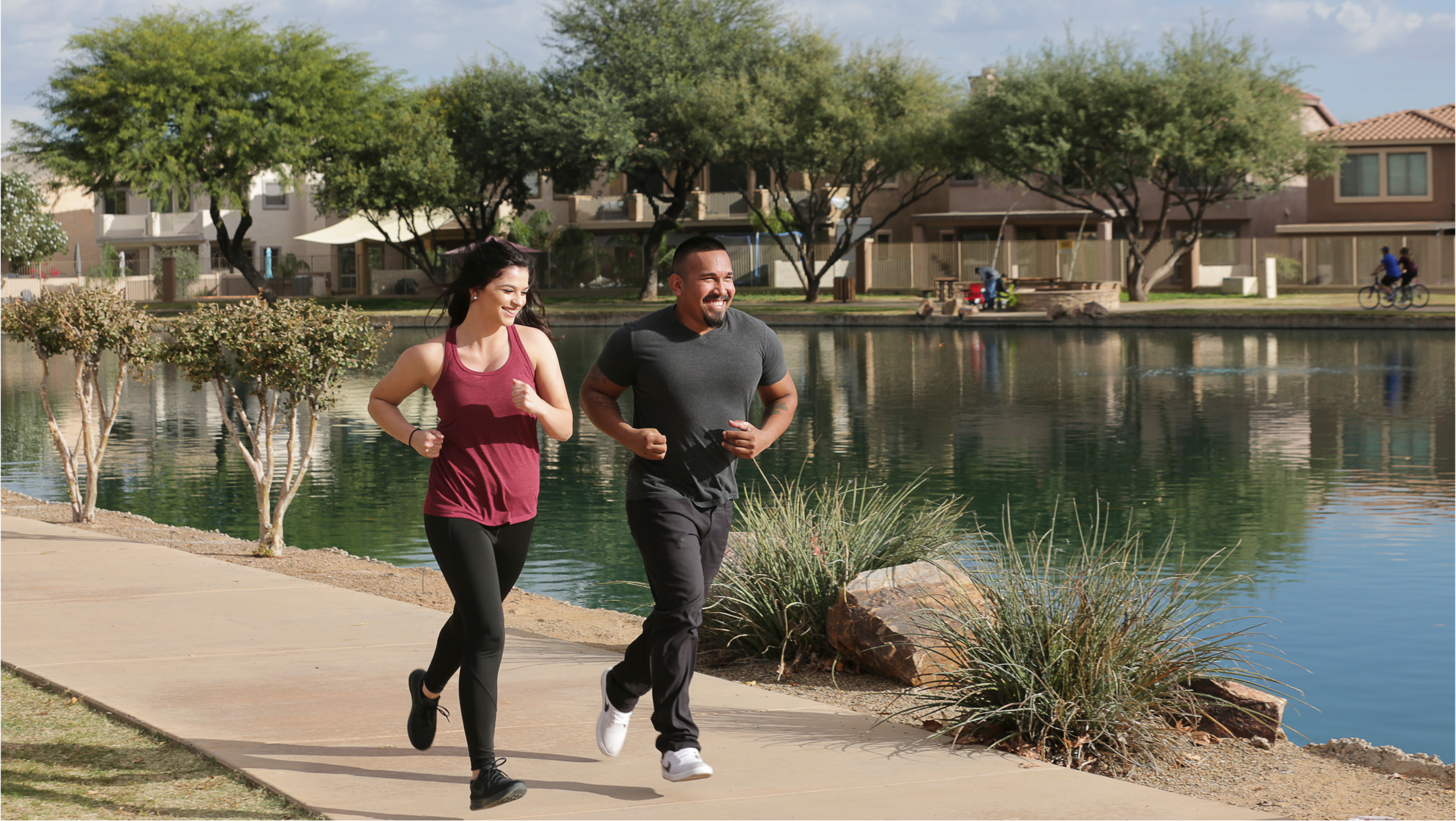
This heat changes your relationship with time. Mornings before 9 a.m. feel precious. Evenings after 7 p.m. come alive. The middle of the day belongs indoors or in water. You’ll see locals walking dogs at 6 a.m. or hitting trails at sunrise, then disappearing until sunset.
But summer is the price you pay for what comes after.
What Does Southern Arizona Weather Feel Like the Rest of the Year?
Fall, winter, and spring in Southern Arizona deliver the weather that makes people move here, with comfortable temperatures that encourage outdoor living nearly every day.
October through April becomes your reward season. Most winter afternoons land somewhere in the 60s or low 70s, and daytime highs rarely stay below the mid-50s for long. You’ll eat breakfast on your patio in January. You’ll hike in shorts on Christmas morning. Friends and family visit during these months, and you’ll understand why they time their trips this way.
The landscape changes too. Monsoon rains in late summer leave the desert green through fall. Wildflowers bloom in spring. The mountains around Tucson hold snow while you’re comfortable in a light jacket at lower elevations.
This seasonal rhythm takes a full year to internalize. Your first summer will feel long. Your first winter will feel like validation for the entire move.
How Do You Build a Daily Routine in a New Place?
Building a daily routine after relocating to Southern Arizona starts with small, repeated decisions that gradually become automatic patterns rather than conscious choices.
You need a coffee spot. A grocery store you don’t have to think about. A gas station on your regular route. These anchors matter more than they should because they create familiarity when everything else still feels new.
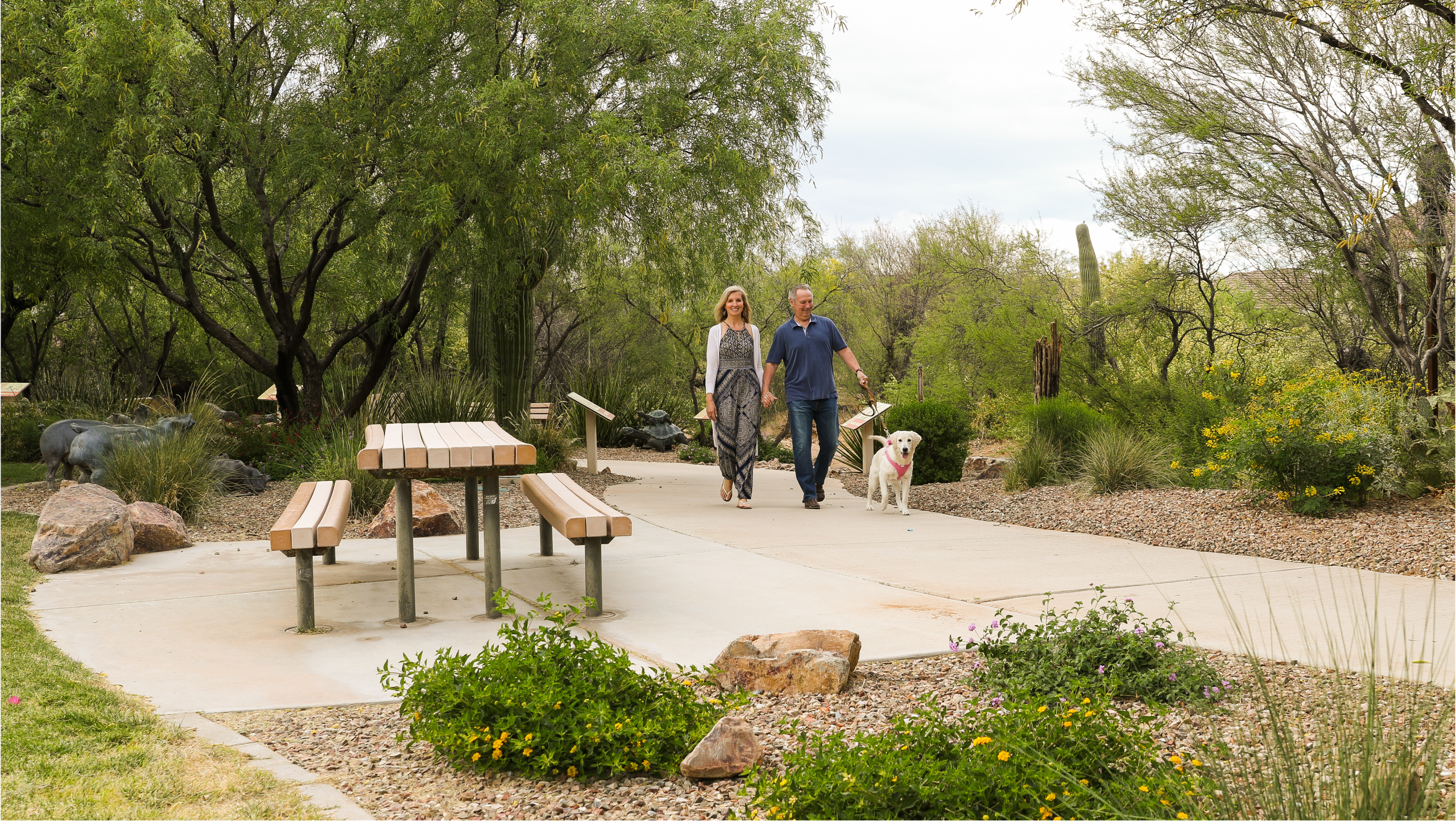
Your morning routine probably shifts earlier here. Sunrise is consistently around 5:30 to 6 a.m. for most of the year, and the early light pulls people out of bed. You might become someone who walks before work or catches sunrise from your back patio, habits that felt impossible in your old climate.
Evening routines stretch longer, too, especially during summer. Sunset doesn’t mean retreat indoors. You’ll see neighbors walking, people on patios, kids playing outside well into evening. The outdoor lifestyle that drew you here becomes real through these small repeated moments.
Where Do People Shop for Groceries, Run Errands, and Get Around?
Daily errands in Southern Arizona follow car-dependent patterns, with most necessities clustered in accessible shopping centers that serve distinct geographic areas.
Sahuarita sits about 20 minutes south of Tucson, and most residents handle grocery shopping and basic errands locally before heading north for specialized needs. The area has grown steadily as the region added more than 20,000 new residents over the past decade, bringing more retail and service options to the southern corridor.
You’ll develop a mental map quickly. Grocery store, pharmacy, gas station, post office. These become your weekly circuit. Most master-planned communities position commercial space within a few minutes of residential areas, which means you’re not driving 30 minutes for milk. Within your first month, that weekly circuit around Sahuarita—groceries, pharmacy, gas, lake loop—becomes the skeleton of your new routine.
What Is the Commute From Sahuarita to Tucson Actually Like?
The commute from Sahuarita to Tucson runs along Interstate 19. Commuters typically report it as a manageable drive—steady traffic rather than the stop-and-go gridlock common in larger metros.
I-19 runs north-south between Sahuarita and Tucson, and traffic flows steadily rather than stopping and crawling the way Phoenix or California residents remember.
For context on how housing costs affect your decision between Sahuarita and closer-in Tucson neighborhoods, our guide on renting vs. buying in Southern Arizona walks through the financial timeline.

How Do You Find Community After Moving to Southern Arizona?
Connection builds naturally through shared rhythms and frequent proximity in spaces where interaction happens organically.
You see the same person at the dog park three mornings in a row, recognize someone from the farmers market, or wave to the same neighbor getting mail at the same time you do. These micro-interactions accumulate before they deepen.
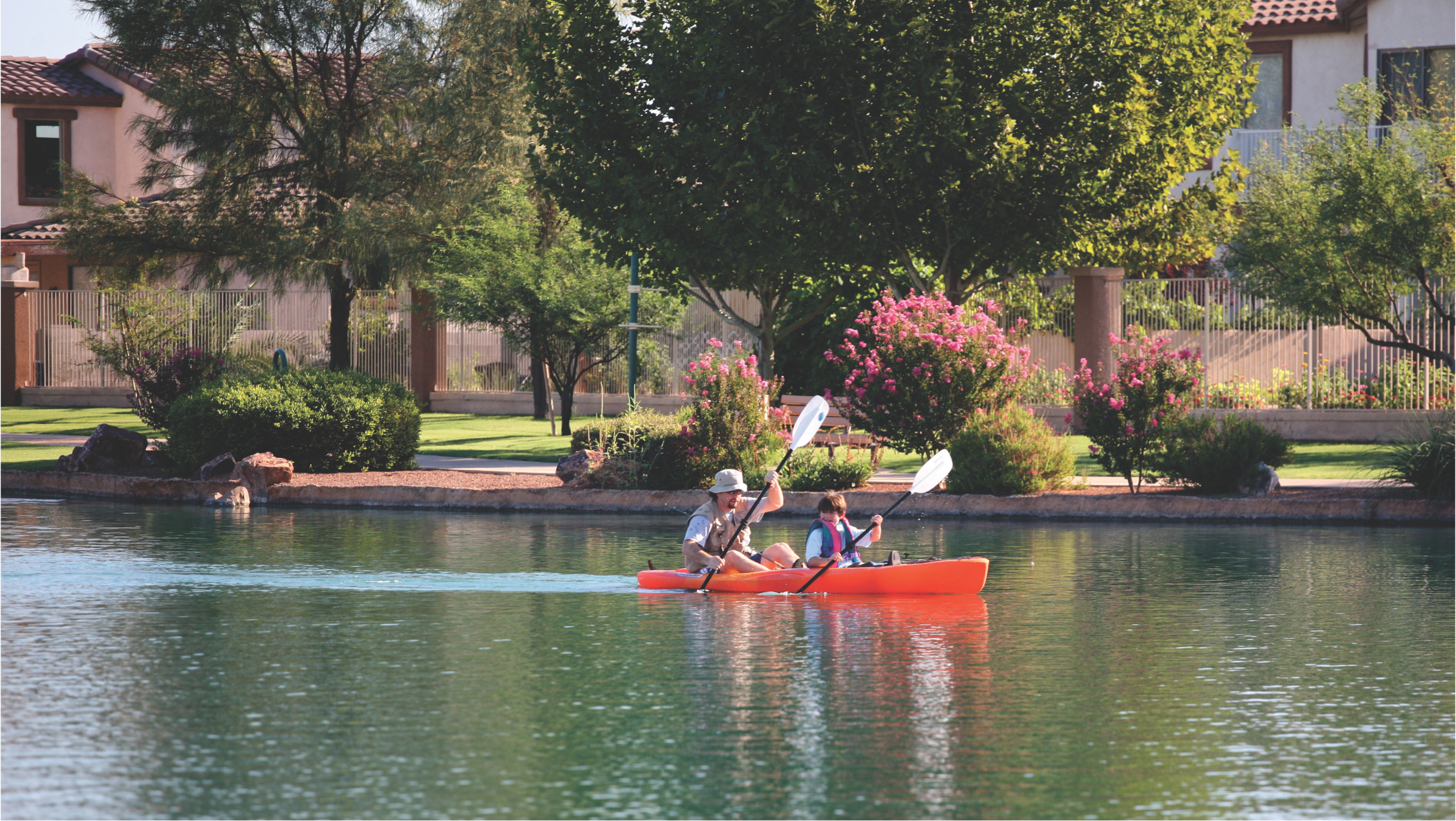
Master-planned communities create more of these regular encounters than scattered neighborhoods do. Shared amenities mean you cross paths with the same people often. For example, at Rancho Sahuarita, the trail around Sahuarita Lake becomes familiar ground where you recognize faces even before you know names. People fishing at the lake on Saturday mornings create a loose community just by showing up consistently in the same place.
Events help, but only if they’re optional and recurring. Forced mixers feel awkward when you’re already anxious about fitting in. Drop-in activities with flexible attendance let you show up when you’re ready without pressure to commit.
What Does Month Two Look Like When the Rhythm Starts to Click?
Month two after moving to Southern Arizona marks the point where basic routines feel automatic, and you start noticing possibilities beyond just managing daily logistics.
You know which grocery store you prefer now. You’ve found a hairdresser or barber. You’ve identified which coffee shop has the vibe you want and which one you’ll avoid. These decisions sound trivial, but they represent the foundation of feeling settled.
Your commute no longer requires GPS or conscious thought. You know which lane to be in, where traffic slows, which exits lead where. This mental map expands week by week as you explore more of Tucson and the surrounding area.
Social connections remain thin for most people in month two, but they’re starting to form. You’ve had a few good conversations with a neighbor. You’ve exchanged numbers with someone from a fitness class or community event. You might have made plans with a coworker outside of work hours.
You’re also starting to build your own weekend patterns. Maybe you’ve found a farmers market you like or a hiking trail that’s become your Saturday morning default. You’re discovering restaurants worth returning to and ones you’ll skip next time.
If you have family or friends visiting during this phase, you’ll notice you can actually show them around instead of fumbling through unfamiliar territory together. You have recommendations. You know which views are worth the drive and which tourist spots to skip.
What Does Month Three Feel Like When Southern Arizona Starts to Feel Like Home?
Month three represents the shift from surviving the transition to actually living in Southern Arizona, when the place stops feeling temporary and starts feeling like yours.
Your home feels more settled by month three. You’ve hung everything on the walls. You know which rooms get too much afternoon sun and which stay cool naturally. You’ve adjusted to the sounds of your neighborhood and learned to identify whether that’s a coyote or a dog in the distance.
You’re making plans beyond next weekend now. You’re thinking about trips to explore other parts of Arizona. You’re considering joining a league or signing up for a recurring class.
The anxiety about whether you made the right decision by moving to Southern Arizona starts to quiet down. You’re not asking yourself daily whether you should have stayed. You’re noticing things you appreciate about being here, whether that’s the weather, the outdoor access, the cost of living, or the pace of life.
For detailed guidance on evaluating different Southern Arizona communities before you commit, our article on how to choose the right community in Arizona covers the factors that affect long-term satisfaction.

Ready to See It Before You Move?
The best way to reduce anxiety about relocating to Southern Arizona is to visit before you commit. Walk the trails around Sahuarita Lake. Drive the commute during rush hour. Sit outside in the evening and notice how the temperature drops after sunset. Talk to people who made the same move you’re considering.
Rancho Sahuarita offers low-pressure tours where you can walk the trails, see the amenities, and test whether this specific community matches the routines and connections you want to build.
The first 90 days challenge every relocator. But going in with realistic expectations about what each phase feels like makes the transition manageable.
The move itself is one day. The adjustment is three months. And the life you build here unfolds over the years after that.