
Somewhere in the middle of a home search, the question shifts.
You’ve been looking at floor plans, comparing locations, and calculating commute times. Then you come across a master planned community and something changes — the trails, the lake, the community center, the calendar full of events. It looks like a place, not just a neighborhood.
But it can be difficult to tell whether the lifestyle actually fits the way you want to live. This guide can help you evaluate the benefits, trade-offs, and questions that matter before deciding.
Key Takeaways
- A master planned community follows a coordinated long-term plan for housing, shared amenities, recreation, and other community spaces
- Master planned communities may be a strong fit for buyers who value nearby amenities, shared spaces, and convenient opportunities to stay active and connect
- HOA fees, community guidelines, and more regular interaction with neighbors are real trade-offs worth understanding before buying
- The best way to evaluate a community is to visit at different times of day, walk the shared spaces, and ask the team how residents use the amenities throughout the year
What actually makes a master planned community different?
A master planned community follows a coordinated long-term plan that may include housing, trails, parks, recreation, community facilities, and nearby commercial areas. Rather than treating each feature as a separate addition, the plan considers how the pieces will connect as the community develops.
Most residential developments add amenities over time as the neighborhood fills in. In a master planned community, the trail network, lake, community center, and parks are part of the same coordinated plan from the start, positioned to connect with each other and with the homes around them.
The practical difference: when trails connect neighborhoods with parks, recreation areas, and other shared spaces, residents may be able to fit those activities into ordinary routines rather than planning a separate trip for each one.
A typical HOA may focus primarily on common-area maintenance and neighborhood standards. A master planned community often adds a broader network of amenities, programming, and connected public spaces, though the specific offerings vary by community.
Who may find the lifestyle appealing?
Buyers who value nearby amenities, residents looking for built-in ways to stay active, and people who want convenient opportunities to connect may find a master planned community a natural fit.
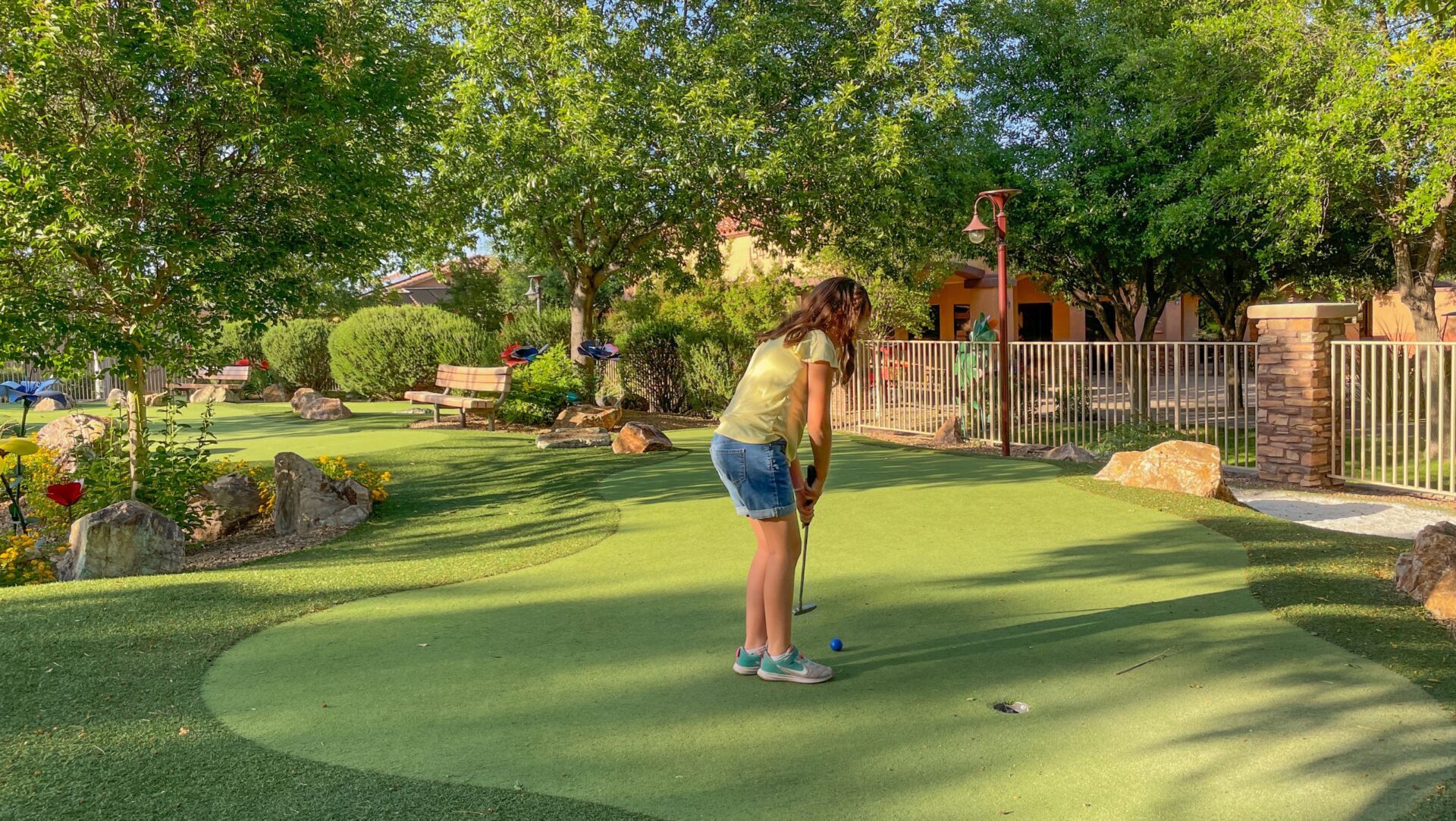
People who want more out of daily life within walking distance. When trails connect homes with parks, recreation areas, and other community destinations, it becomes easier to use those spaces as part of a regular routine rather than a special trip.
People who want to stay active without adding friction. Fitness options close by, trails accessible on foot, and pools a short walk away can lower the barrier to building and keeping an active routine.
People who want convenient opportunities to connect. Shared trails, pools, and recurring events create natural openings for regular interaction. Familiar faces, ongoing activities, and shared spaces can make it easier to build a sense of place over time. For example, right now at Rancho Sahuarita, residents can join Books & Brunch, a Monday morning book club where neighbors gather over a light breakfast to discuss a featured book. It is one example of the activities currently offered through the community calendar.
What are the honest trade-offs?
HOA fees, community guidelines, and more everyday interaction with neighbors are real considerations. Whether they feel like benefits or constraints tends to depend on how you want to live.
HOA fees. Rancho Sahuarita has an HOA, and its fees fund the shared infrastructure: trail maintenance, park upkeep, pool operations, Club Rancho Sahuarita, and more. The value depends on whether you expect to use the amenities and whether the cost fits comfortably within your overall housing budget. For more on long-term lifestyle value, the Is a Master Planned Community Worth It Long Term? post goes deeper on this question.
Community guidelines. Guidelines may affect exterior changes, landscaping, parking, and other visible parts of the property. They help maintain consistency across the neighborhood, but they also limit what individual homeowners can change. Shared guidelines create consistency, and they also limit individual flexibility.
More everyday interaction. Shared trails, pools, parks, and events create more opportunities to see neighbors regularly. Some residents find this is exactly what they were looking for. Others find it more contact than they prefer. Neither is wrong, but it is worth being honest about before buying.
What questions should you ask yourself before deciding?
The most useful questions are about how you use your time, how you feel about shared standards, and whether the costs and benefits actually match your life.
Do you want outdoor amenities within walking distance? Trails, parks, a lake, and pools on foot versus a ten-minute drive — which version of your week sounds more sustainable?
Would you use shared fitness and recreation facilities? Or do you prefer a separate gym with a cleaner line between home and everything else?
Do you want regular opportunities to see neighbors? Morning trail traffic, poolside time, community events — some people find this builds connection that is hard to find elsewhere.
How do you feel about shared standards? Guidelines create consistency but limit individual choices. Knowing where you stand on that trade-off before buying is more useful than discovering it after.
Do the HOA fees fit your budget even if you use only some of the amenities? Full use is not guaranteed. The question is whether the fees are sustainable regardless of how often you show up.
How long do you expect to stay, and which benefits will matter throughout that period? Some of the lifestyle benefits become more apparent over time as residents develop routines and learn which amenities they use most.
What does a well-designed master planned community look like in practice?

Rancho Sahuarita in Sahuarita, Arizona has been operating as a master planned community for more than 25 years, with 15-plus parks, 25-plus miles of trails, and a lake at its center.
Founded on a guiding principle of “Creating a Better Life,” Rancho Sahuarita was designed with Sahuarita Lake at its center, a 10-acre lake reachable by trail from multiple neighborhoods, where residents walk, jog, and fish with a valid license.
More than 25 miles of trails connect neighborhoods with parks, schools, and community facilities. Club Rancho Sahuarita provides indoor fitness, classes, and recurring programs, while pools and parks are distributed throughout the community rather than concentrated in one location. More than 25 years later, the lake, trails, parks, and community facilities continue to shape how residents move through and use the community.
How can you evaluate a community before deciding?
Visit at different times of day and notice how the shared spaces actually function. Are the trails easy to access? Are parks and amenities located where you would realistically use them? Does the level of activity feel comfortable to you?
Ask the community team which amenities residents use most and how the programming calendar works throughout the year. When the opportunity arises, ask current residents which features they use regularly and what they did not fully understand before moving in.
The five-year test is still useful: can you picture using what this community offers not just when everything is new, but once daily life has settled into a routine?
The bottom line
A master planned community may be a strong fit if you want outdoor amenities close to home, shared spaces that make it easier to stay active, and built-in opportunities to connect with neighbors.
It may be less appealing if you value maximum control over your property, prefer minimal shared interaction, or are not comfortable carrying HOA fees that fund amenities you may not use regularly.
Walk the trails around Sahuarita Lake, visit Club Rancho Sahuarita, and explore the community at the times of day that matter most to your routine.
Explore the community and schedule a visit to see how the layout, amenities, and atmosphere feel in person.